
+86-18950152610
Please Choose Your Language


Views: 0 Author: Site Editor Publish Time: 2025-10-14 Origin: Site


Are SBR and EPDM really the same? They look similar but behave differently. In this guide, we explore their key differences. You will learn when to use SBR, EPDM, or Neoprene Sheet. Make smarter choices for durability and cost efficiency.
SBR resists oils and some chemicals but degrades under UV or ozone. EPDM excels in weather, ozone, and chemical resistance. This makes EPDM better for outdoor gaskets and seals. SBR works for indoor or non-exposed applications. Use EPDM instead of SBR for roofing or outdoor automotive parts.
SBR operates between -40°C to 70°C. EPDM withstands -40°C to 120°C. This wider range allows EPDM to perform in extreme climates. Neoprene Sheet offers moderate heat resistance, bridging indoor and outdoor needs. Consider the expected temperature range when selecting rubber materials.
| Property | SBR | EPDM | Neoprene Sheet |
|---|---|---|---|
| Tensile Strength | Moderate | High | Medium |
| Elongation | High | Very High | Medium |
| Hardness | 40-60 Shore A | 50-70 Shore A | 60-80 Shore A |
EPDM provides higher elasticity and long-term durability. SBR is flexible but less resistant to wear over time. For high-stress applications, EPDM or Neoprene Sheet may last longer.
SBR has moderate water resistance. EPDM excels against water and steam. Neoprene Sheet also performs well in humid or wet environments, suitable for gaskets or seals. Indoor floors or general sealing can use SBR; outdoor exposure requires EPDM.
SBR is generally cheaper than EPDM. EPDM costs more upfront but offers better long-term performance. Neoprene Sheet falls between them depending on thickness and grade. Calculate total lifecycle cost, not only initial price.
SBR: Tires, conveyor belts, indoor flooring
EPDM: Roofing membranes, automotive seals, outdoor gaskets
Neoprene Sheet: Medical supports, flexible gaskets, water-resistant applications
Tips: Align material choice with application environment.
Neoprene Sheet combines flexibility and chemical resistance. It withstands oils, moderate heat, and some weathering. It can replace SBR in indoor environments or supplement EPDM for specialized outdoor uses. Use Neoprene Sheet where moderate chemical resistance is required.
SBR: Good abrasion resistance, weak against UV/ozone
EPDM: Excellent outdoor durability
Neoprene Sheet: Moderate durability; water and oil resistant
Neoprene Sheet is often chosen for mid-range applications balancing cost and performance. Durability impacts long-term maintenance and replacement costs.
Automotive: EPDM for weatherstripping, SBR for tires, Neoprene Sheet for seals
Construction: EPDM for roofing, SBR for flooring, Neoprene Sheet for waterproofing
Manufacturing: SBR for conveyor belts, Neoprene Sheet for machinery gaskets
Match rubber type to environmental exposure and mechanical load.
SBR: Low cost, moderate performance
EPDM: High durability, higher cost
Neoprene Sheet: Balanced cost-performance
Factor in maintenance, replacement, and environmental conditions when assessing cost.
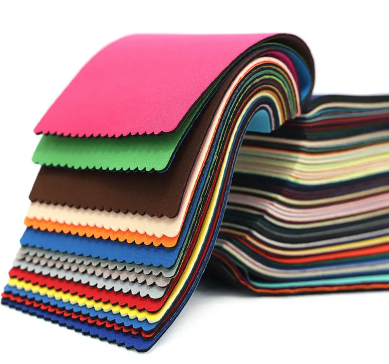
Recycled SBR comes from used tires, often with debris. Pre-cycled SBR is cleaner and suitable for surface applications like driveways. Choose pre-cycled SBR for exposed surfaces.
EPDM lasts longer outdoors and reduces replacement frequency. It maintains performance under UV and ozone stress. EPDM's longer lifecycle can justify higher initial cost.
Neoprene Sheet and recycled SBR offer environmentally friendly options. They reduce waste and lower carbon footprint compared to virgin rubber. Consider eco-friendly grades to meet sustainability goals.
Rubber materials must meet safety, flammability, and chemical compliance. EPDM and Neoprene Sheet often exceed indoor and outdoor requirements. Verify supplier certifications before large-scale purchases.
Store in a dry, cool area. Avoid prolonged UV exposure for SBR. Cut and install using appropriate tools. Proper storage extends shelf life.
Neoprene Sheet can complement SBR or EPDM. Use in hybrid applications where flexibility, water resistance, or chemical resistance is needed. Hybrid solutions often optimize cost and performance.
Clean regularly, inspect for cracks or degradation. Lubricate moving parts in industrial use. Preventive maintenance reduces downtime.
Wear gloves during cutting. Avoid contact with hot surfaces. Follow flammability guidelines. Safety ensures compliance and reduces workplace injuries.
China leads in producing SBR, EPDM, and Neoprene Sheet. Quality control and sourcing strategies are key for global buyers. Evaluate suppliers based on certifications and experience.
Improvements in granulation and sheet processing enhance durability. Pre-cycled SBR reduces impurities. Technology affects cost-efficiency and performance.
Rubber surfaces in driveways, playgrounds, and industrial floors are growing markets. Neoprene Sheet sees increased use in water-resistant and flexible applications. Stay informed on new market uses to identify business opportunities.
SBR remains cost-effective indoors. EPDM dominates outdoor applications. Neoprene Sheet offers balanced cost-performance. Balance investment against long-term maintenance and application needs.
Consider application environment, mechanical stress, chemical exposure, and budget. Use a matrix to compare SBR, EPDM, and Neoprene Sheet features.
SBR can replace EPDM indoors. EPDM is superior outdoors. Neoprene Sheet fills mid-range performance gaps. Ensure compatibility with temperature and chemical exposure.
SBR: Indoor conveyor belts in factories
EPDM: Roof seals in extreme climates
Neoprene Sheet: Flexible gaskets in moderate conditions
Review similar industry examples before final selection.
| Feature | SBR | EPDM | Neoprene Sheet |
|---|---|---|---|
| Cost | Low | High | Medium |
| Abrasion | Good | Excellent | Good |
| UV/Ozone Resistance | Low | Excellent | Moderate |
| Temperature Range | -40°C to 70°C | -40°C to 120°C | -40°C to 100°C |
| Flexibility | Good | Excellent | Good |
| Applications | Indoor | Outdoor | Hybrid |
Use this table as a quick reference when comparing rubber options.
SBR is cost-effective and fits indoor use.EPDM excels in outdoor durability and chemical resistance. Neoprene Sheet bridges indoor and outdoor needs. DGHTXC provides high-quality Neoprene Sheets that improve performance and reduce maintenance. Understanding these differences helps you make smart material choices.
A: No, SBR and EPDM have different properties. SBR is cost-effective, while EPDM resists UV and ozone. Understanding SBR and EPDM rubber differences helps choose the right material.
A: Neoprene Sheet bridges indoor and outdoor applications. It combines flexibility and chemical resistance, complementing both SBR and EPDM uses.
A: EPDM excels in outdoor durability and chemical resistance. SBR is better for indoor or moderate conditions.


